
What is Padel? An Introduction to the Fastest-Growing Racket Sport
In the realm of racket sports, few activities have captured global attention as swiftly as padel. This dynamic game, often described as a hybrid between tennis and squash, combines strategic depth with social accessibility, making it an ideal pursuit for individuals of varying skill levels and ages. As of 2025, padel has emerged as one of the world’s most rapidly expanding sports, with over 50,000 courts worldwide and a projected market growth to USD 543.74 million by 2033. 17 For residents of Gainesville, Florida, where racket sports like tennis and pickleball already thrive, padel represents an exciting new opportunity to engage in a low-impact, high-energy activity. At the Gainesville Padel Club (GPC), we are poised to introduce this sport to North Central Florida, blending it with innovative elements such as Bitcoin integration to foster community and financial education.
The Origins and History of Padel
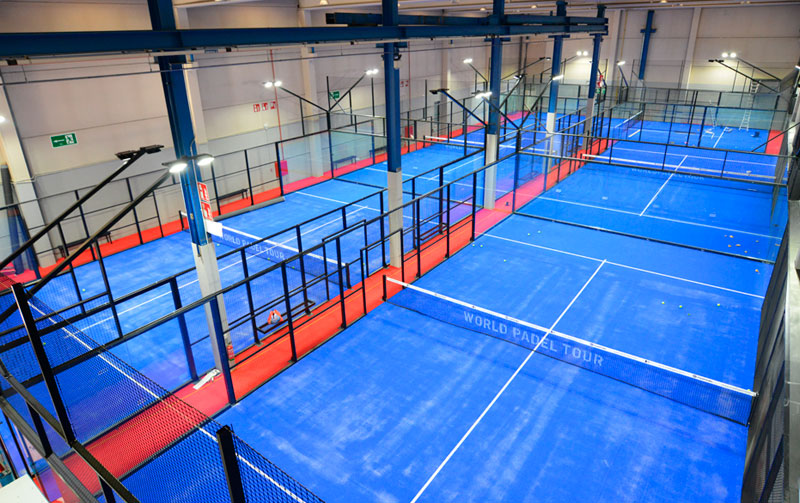
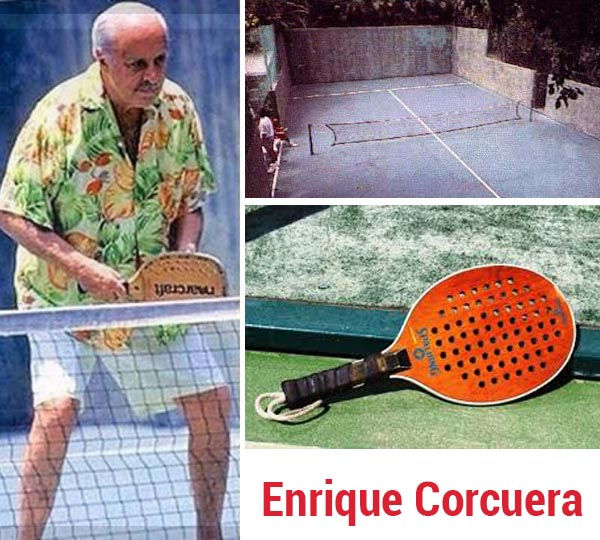
Padel traces its roots to Mexico in 1969, when Enrique Corcuera, a businessman, sought to create a tennis-like game on a limited plot of land at his Acapulco home. Facing space constraints, he enclosed a smaller court with walls, drawing inspiration from platform tennis—a 1920s American invention—and squash. 1 The result was a court measuring approximately 20 meters by 10 meters, surrounded by glass and mesh walls that allowed the ball to rebound, adding a layer of strategy absent in traditional tennis.
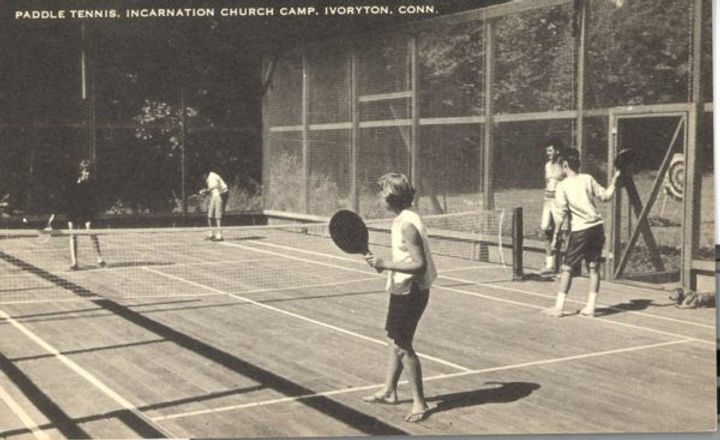
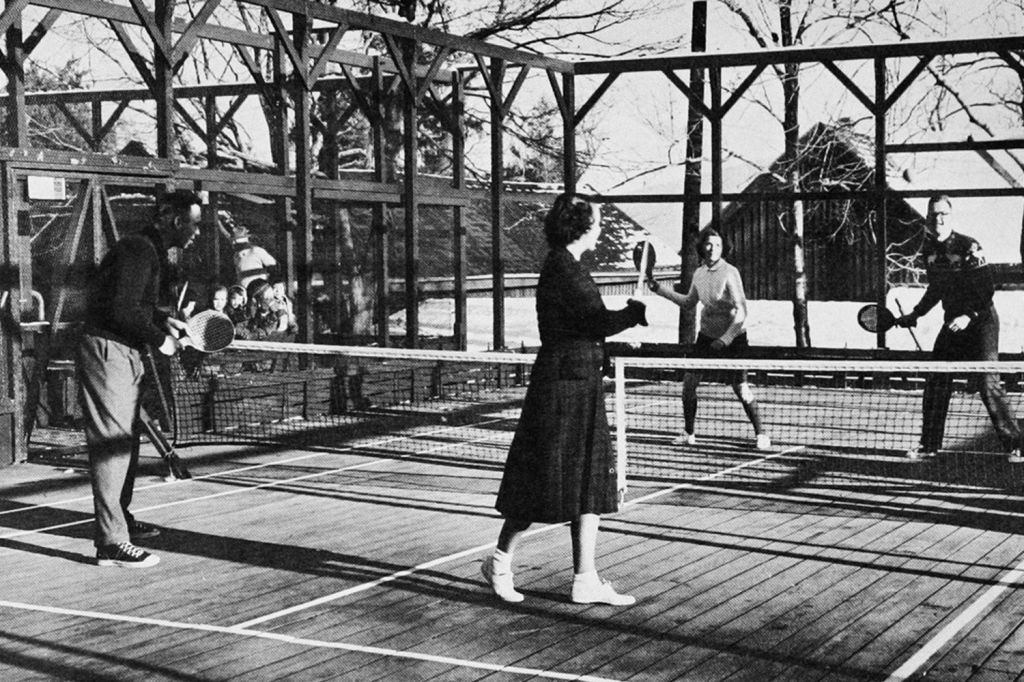


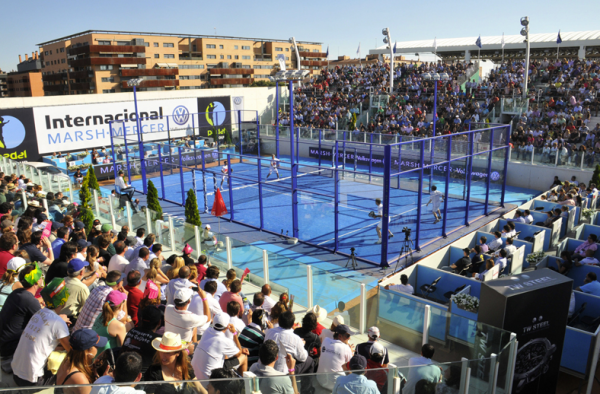
The sport’s international breakthrough occurred in 1974 when Prince Alfonso of Hohenlohe, a friend of Corcuera, introduced it to Spain after building courts at his Marbella resort. 11 Spain quickly became padel’s epicenter, with the game spreading across Europe and Latin America. By the early 1990s, professional circuits had formed, and the International Padel Federation (FIP) was established in 1991 to govern the sport globally. 7 Today, padel is played in over 90 countries, evolving from a niche pastime to a professional endeavor with tournaments offering substantial prizes and attracting elite athletes.
In the United States, padel’s arrival has been more recent but no less impactful. Initially popularized in coastal areas like Florida and California, the sport gained traction in the 2010s through private clubs and expatriate communities. Florida, in particular, has become a hotspot, with South Florida boasting facilities like Ultra Padel in Miami, which features 21 courts. 27 However, regions like North Central Florida, including Gainesville, remain underserved, presenting a prime opportunity for growth.
Understanding the Rules and Gameplay
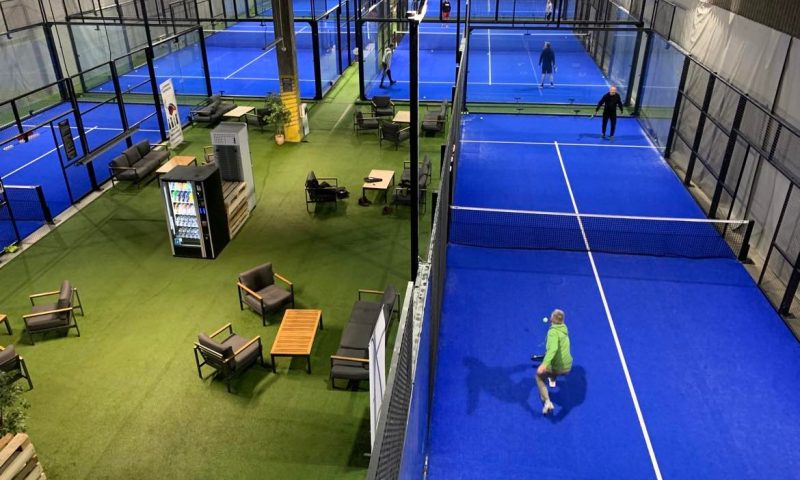
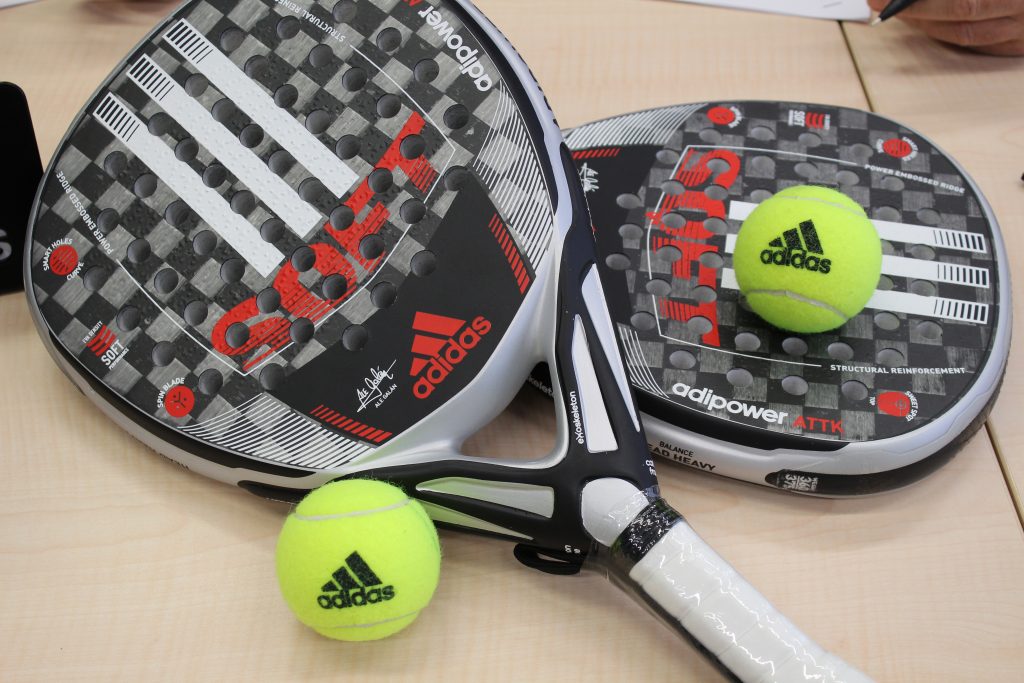
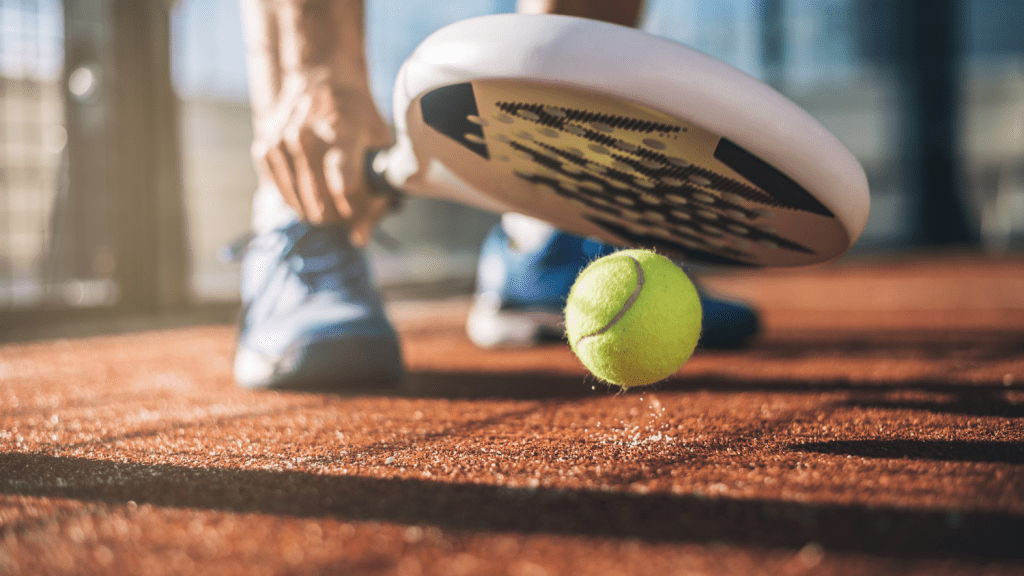
Padel is predominantly a doubles game, though singles variants exist. It is played on an enclosed rectangular court, roughly one-third the size of a tennis court, with walls made of glass at the back and mesh on the sides. The net divides the court similarly to tennis, and players use solid, perforated rackets (without strings) and a depressurized tennis ball. 5
Scoring mirrors tennis: points are awarded as 15, 30, 40, and game, with sets typically played to six games and matches to the best of three sets. A key distinction is the use of walls—after the ball bounces on the ground, it may rebound off the walls, allowing for extended rallies and creative shot-making. 9 However, the ball must bounce on the floor before hitting a wall, and serves must be underhand, crossing diagonally like in tennis.
To play effectively, beginners should focus on fundamentals: position yourself near the center for doubles coordination, master the “smash” (an overhead shot) for offensive plays, and utilize the walls for defensive lobs. 0 Games last about 90 minutes, making padel more approachable than tennis for casual participants. Equipment is straightforward—a quality racket costs $100–$300, and courts are designed for all-weather play, often indoors.
The Explosive Growth of Padel in 2025
Padel’s appeal lies in its accessibility: it is easier to learn than tennis yet offers tactical complexity, fostering social interaction in doubles format. Globally, the number of courts has multiplied fivefold since 2016, reaching over 50,000 in 2025, with new clubs opening every 2.5 hours and an annual growth rate of 17%. 16 The sport now boasts more than 25 million active players worldwide, projected to reach 100 million by 2030. 21
In the United States, padel has surged, with over 600 courts operational and approximately 90,000 players as of mid-2025. 15 The U.S. market, valued at around $225 million in 2024, is expected to double to $493 million by 2032, driven by investments in infrastructure and celebrity endorsements. 18 Florida leads this expansion, particularly in urban centers, but the state’s northern regions, like Gainesville with its 145,000 residents and 50,000 University of Florida students, are ripe for development. Local interest in racket sports is evident from established venues like DB Racquet Club, yet padel’s unique blend of fun and fitness positions it as a complementary addition.
Compared to pickleball, which has 19 million U.S. players and over 16,000 facilities, 14 padel differentiates itself through enclosed courts and wall play, appealing to those seeking a more enclosed, strategic experience. Both sports are elevating racket activities, but padel’s global momentum—fueled by professional leagues like the Premier Padel Tour—suggests it could soon rival tennis in popularity.
Benefits and Why Padel is Ideal for Gainesville
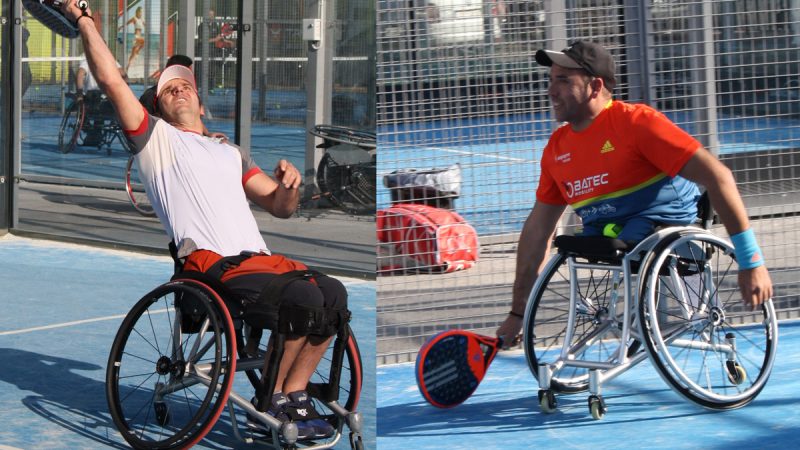
Beyond gameplay, padel offers substantial health benefits: it improves cardiovascular fitness, enhances coordination, and reduces stress through social engagement. 4 As a low-impact sport, it is suitable for families, retirees, and young professionals, aligning with Gainesville’s diverse demographics, including UF’s crypto-curious student body.
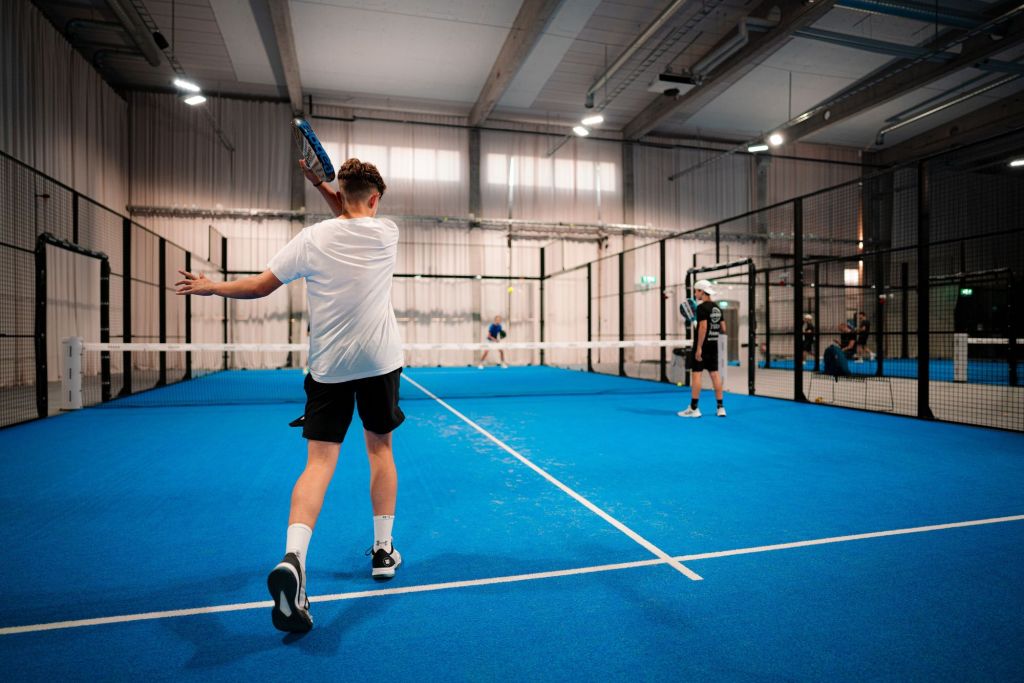

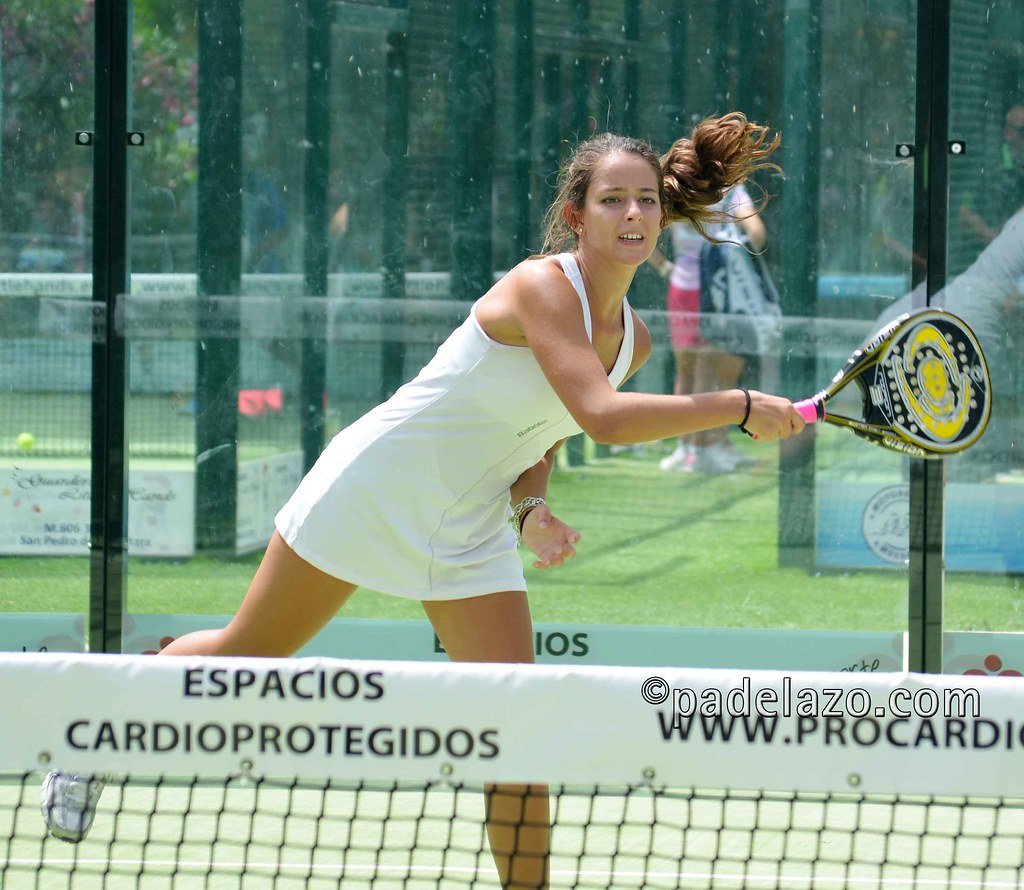
At GPC, we envision padel as more than a game—it’s a platform for community building. Our facility will feature four indoor FIP-compliant courts, equipped with 4K cameras for streaming, alongside amenities like a pro shop, lounge, and gym, café, spa, beautiful pool, and more. Membership tiers starting at $50 per month will provide access to weekly court time, club discounts, and events such as the GPC Bitcoin Smash Championship, featuring a 0.5 BTC prize pool.
As padel continues its ascent, Gainesville stands to benefit economically and socially. With no dedicated padel courts locally—the nearest in Orlando—GPC aims to fill this gap, promoting fitness while introducing Bitcoin education through our treasury strategy.
If this introduction has piqued your interest, join our waitlist at gainesvillepadel.club to stay updated on our progress toward the grand opening. Whether you’re a beginner or seasoned athlete, padel promises an engaging experience. Stay tuned for our next article: “Why Padel is Perfect for Gainesville’s Active Community.”


Leave a reply to Marianella Solano Cancel reply